

Quick Summary
Natural cosmetics brands can be worth trying, but the word "natural" has no single legal meaning on most labels, so judge products by their full ingredient list rather than the claim. Compare brands on ingredient transparency, third-party certification, range fit and value per use.
- Ingredients are listed in descending order of concentration down to 1%, so check where botanicals appear.
- Fragrance" or "parfum" can hide dozens of undisclosed compounds and is often linked to irritation.
- Claims like "paraben-free" are marketing terms, so scan the list for methylparaben, propylparaben and butylparaben.
- For sensitive skin, patch-test new products on the inner forearm for 24 to 48 hours before wider use.
- Start with one scrub and one butter, such as the Renew Sugar Scrub and Renew Body Butter, before buying more.
Table of Contents
- What Natural Cosmetics Actually Means
- How to Read Cosmetic Ingredient Labels
- Comparing Natural Cosmetics Brands: Crafted By Laura's Lineup
- Choosing Your First Natural Bath and Body Set
- Frequently Asked Questions
What Natural Cosmetics Actually Means
Last Updated: November 19, 2026
"Natural" is one of the most used and least defined words in body care. Crafted By Laura makes handcrafted bath and body products in small batches in Austin, Texas. Understanding what the word can and cannot tell you helps when comparing any body care product.
There is no single legal meaning for "natural" on a cosmetic label in most markets, so brands can use it loosely. A product can be described as natural while still containing synthetic ingredients, and one with many botanical names can still rely on heavily processed components. Reading the full ingredient list is the only reliable way to judge.
Natural, organic and clean are often used interchangeably, but they mean different things. Natural usually refers to ingredients derived from plants, minerals or other non-synthetic sources. Organic points to how those ingredients were grown and processed. Clean beauty is a broader marketing category with standards that vary by brand.
How to Read Cosmetic Ingredient Labels
Ingredient lists are the one part of a cosmetic package that is hard to fake. In most markets the list follows the International Nomenclature of Cosmetic Ingredients (INCI), so botanicals appear under standardized Latin names rather than marketing names. "Butyrospermum parkii" is shea butter, "Simmondsia chinensis" is jojoba, and "Tocopherol" is vitamin E. Learning a handful of these names lets you compare products across brands.
Order matters. Ingredients are listed in descending order of concentration down to 1%, after which they can appear in any order. The first five or six items usually make up the bulk of the formula, and an ingredient featured in the product name may appear in a tiny amount near the end. A "lavender" scrub whose lavender oil sits after the preservative is not the same product as one where it appears early.
Watch out: "fragrance" or "parfum" can legally stand in for dozens of undisclosed compounds, and it is the ingredient most often linked to contact irritation. If a brand will not say whether its scent comes from essential oils, isolated aroma chemicals, or both, treat that as a missing data point rather than a neutral one.
Claims like "sulfate-free," "paraben-free," or "clean" are marketing terms, not regulated certifications in most markets. Check the list against the claim: if a product says paraben-free, scan for methylparaben, propylparaben, and butylparaben. For sensitive skin, patch-test any new product on the inner forearm for 24 to 48 hours before wider use, and keep the ingredient list so you can compare if a reaction occurs.
Certifications are where label reading becomes verifiable. Third-party seals such as COSMOS (from BDIH, Ecocert, and Cosmebio), NATRUE, USDA Organic, and NSF/ANSI 305 each have published standards you can look up on the certifier's own site. For cruelty-free claims, the Leaping Bunny program and PETA's Beauty Without Bunnies database let you search a brand directly. When a claim cannot be checked against a public standard, treat it as a story rather than a fact.
Comparing Natural Cosmetics Brands: Crafted By Laura's Lineup
Most "best natural cosmetics brands" lists rank names without telling you how they were chosen. A more practical approach is to compare brands on four checkable criteria: ingredient transparency (does the brand publish full INCI lists and scent sources?), certification (does it name a third-party standard such as COSMOS, NATRUE, or Leaping Bunny?), product range fit, and value per use.
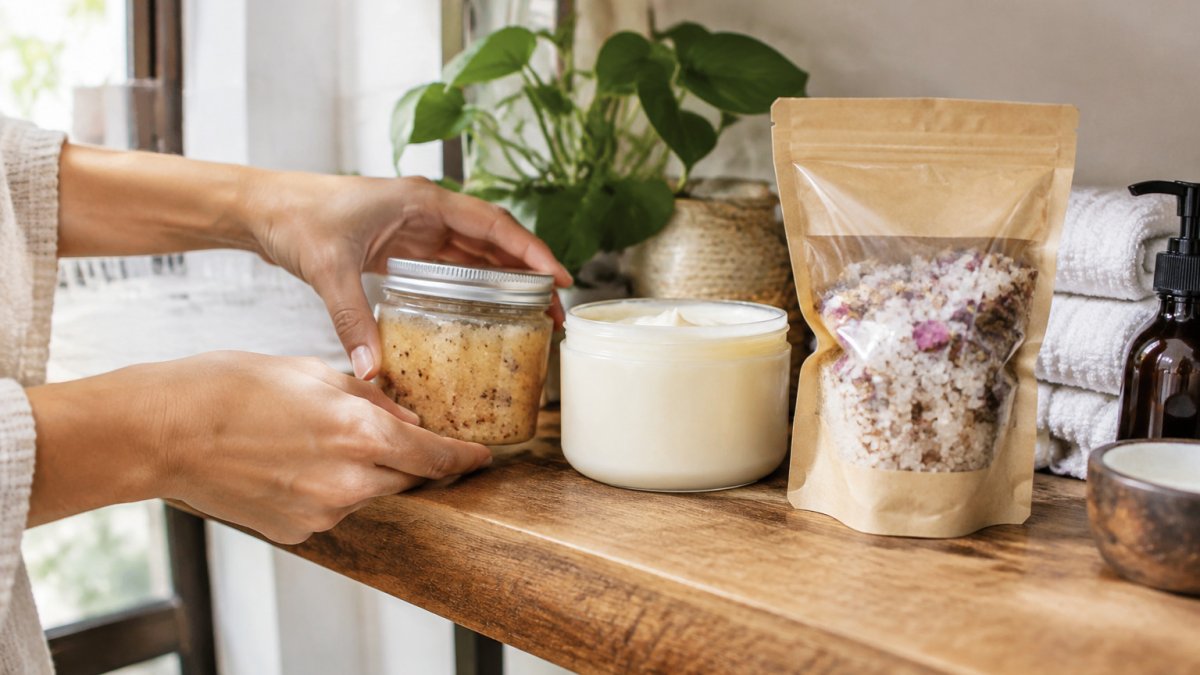
Crafted By Laura is a small-batch, handcrafted body-care line made in Austin, Texas, and a useful example of how those criteria play out. When comparing transparency, check whether a brand names its scent profile and product format and provides its ingredient list before you order. On certification, ask directly which standards, if any, a product carries, since many small-batch brands do not hold formal certification. When judging range fit, consider whether a brand focuses on body care or also covers facial skincare and color cosmetics.
A practical way to compare any shortlist is to sort by need first. For sensitive skin, prioritize brands that disclose fragrance sources and offer unfragranced options, and patch-test. For dry or mature skin, look for occlusive-rich butters and oils listed early in the formula. For everyday makeup, pair a body-care-focused brand with a color-cosmetics brand that meets the same transparency and certification checks. For gifting, start with one scrub and one butter in the same scent family.
Watch out: "small-batch" and "handcrafted" describe production scale, not safety or purity. Preservative systems still matter in any water-containing product, and a short ingredient list is not automatically gentler.
Choosing Your First Natural Bath and Body Set
Start with one scrub and one butter so you can judge texture and scent before committing to more. The Renew Sugar Scrub pairs well with the Renew Body Butter, both in the Sandalwood & Vanilla scent. For bath time, the REST Lavender Bath Soak (18 oz, $22.00) and the Nourish Honey & Oatmeal Bath Salt Soak (18 oz, $22.00) are two options to consider.
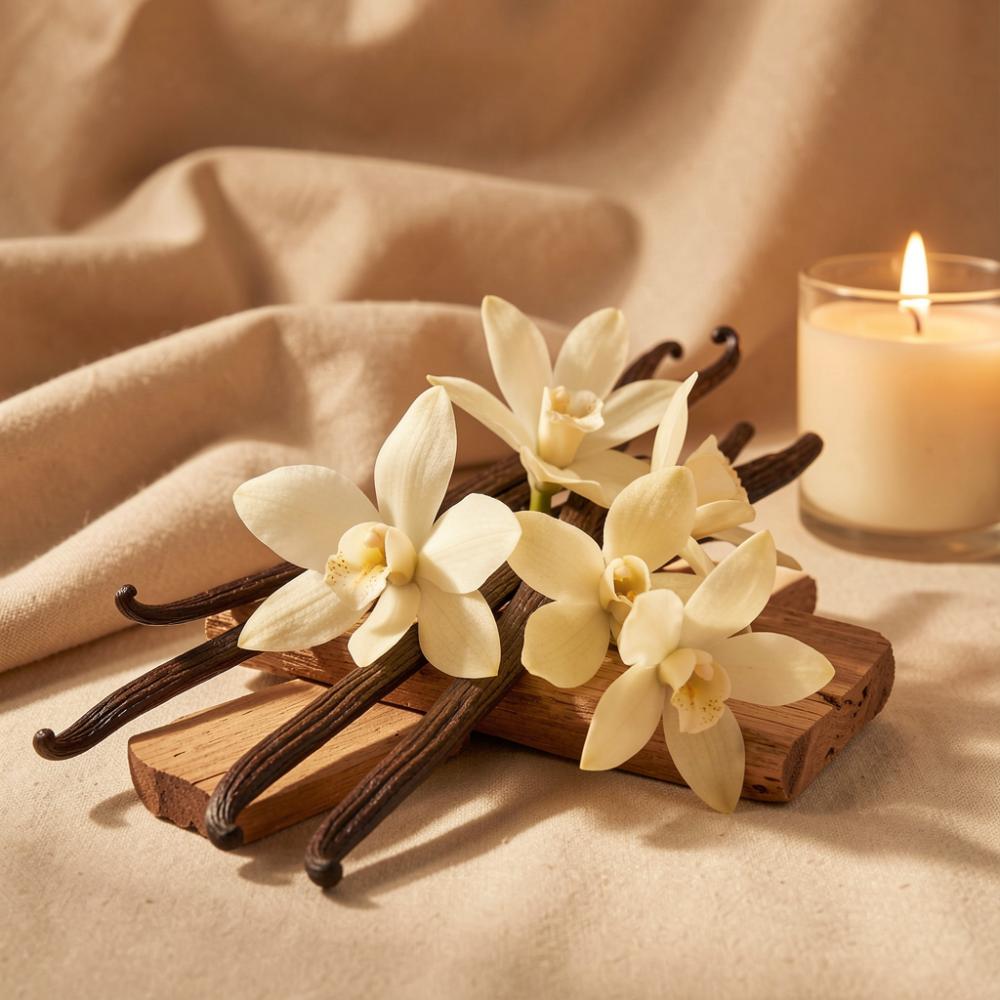
If you are buying for someone with sensitive skin, check each product's ingredient list and scent notes before you order.
The article's two starter options differ in size, price and scent, as summarised below.
| Product | Scent or note |
|---|---|
| REST Lavender Bath Soak | Lavender |
| Nourish Honey & Oatmeal Bath Salt Soak | Honey & oatmeal |
| Renew Sugar Scrub | Sandalwood & Vanilla |
| Renew Body Butter | Sandalwood & Vanilla |
Frequently Asked Questions
What is the most natural brand of makeup?
No single brand can be named the most natural, because natural is not a regulated term for cosmetics. A more useful test is the ingredient list itself: shorter lists with recognisable botanical and mineral ingredients, clear fragrance disclosure and a small-batch production process generally mean less processing and fewer surprise additives. Crafted By Laura's bath and body products, such as the Harvest Body Butter and the Renew Sugar Scrub, are handcrafted in small batches in Austin, Texas. Compare any brand's full ingredient list before deciding which fits your needs.
What should I look for when choosing natural cosmetics?
Start with the ingredient list, which in most markets must be printed in descending order of quantity. Check whether scents are identified, since fragrance is the most common irritant in products otherwise marketed as natural. Look at size and price per ounce, and whether the product is intended for your use, such as a sugar scrub for body exfoliation rather than the face. Small-batch makers like Crafted By Laura list their sizes and key ingredients on each product page, which makes side-by-side comparison straightforward.
Are natural cosmetics brands better for sensitive skin?
Not automatically. Plant-based ingredients can still irritate sensitive skin, and essential oils are a frequent cause of reaction. Choosing a product with fewer ingredients, patch testing on a small area first and checking the scent profile before buying all reduce the risk. Crafted By Laura's Restore and Renew scrubs are scented with lavender and driftwood or sandalwood and vanilla, so buyers should review those scent notes before ordering.
